Next-generation AI-powered acoustic imaging sensor integrated with DCNN neural network, achieving sound-thermal-visible light multimodal fusion diagnosis for precise localization of partial discharge, gas leakage and mechanical abnormal noise
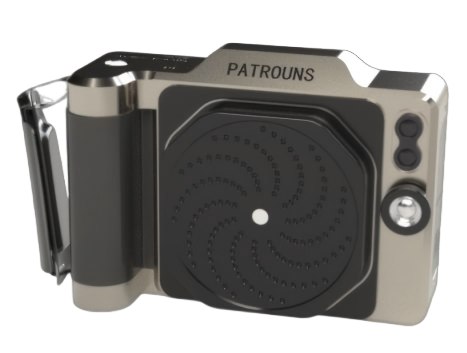
TIDI (Portable Thermoacoustic Imaging Intelligent Defect Diagnostic Instrument) integrates acoustic imaging, infrared thermal imaging, and visible light imaging technologies into a single portable device.
Locates abnormal sound sources via microphone arrays, displays real-time temperature distribution with infrared video, and combines multi-modal fault diagnosis (sound/temperature/visual) with automated report generation.
Accurately identifies discharges, gas leaks, thermal defects, and visual anomalies. Significantly improves diagnostic efficiency and accuracy in complex scenarios, enabling rapid decision-making and enhanced equipment safety.
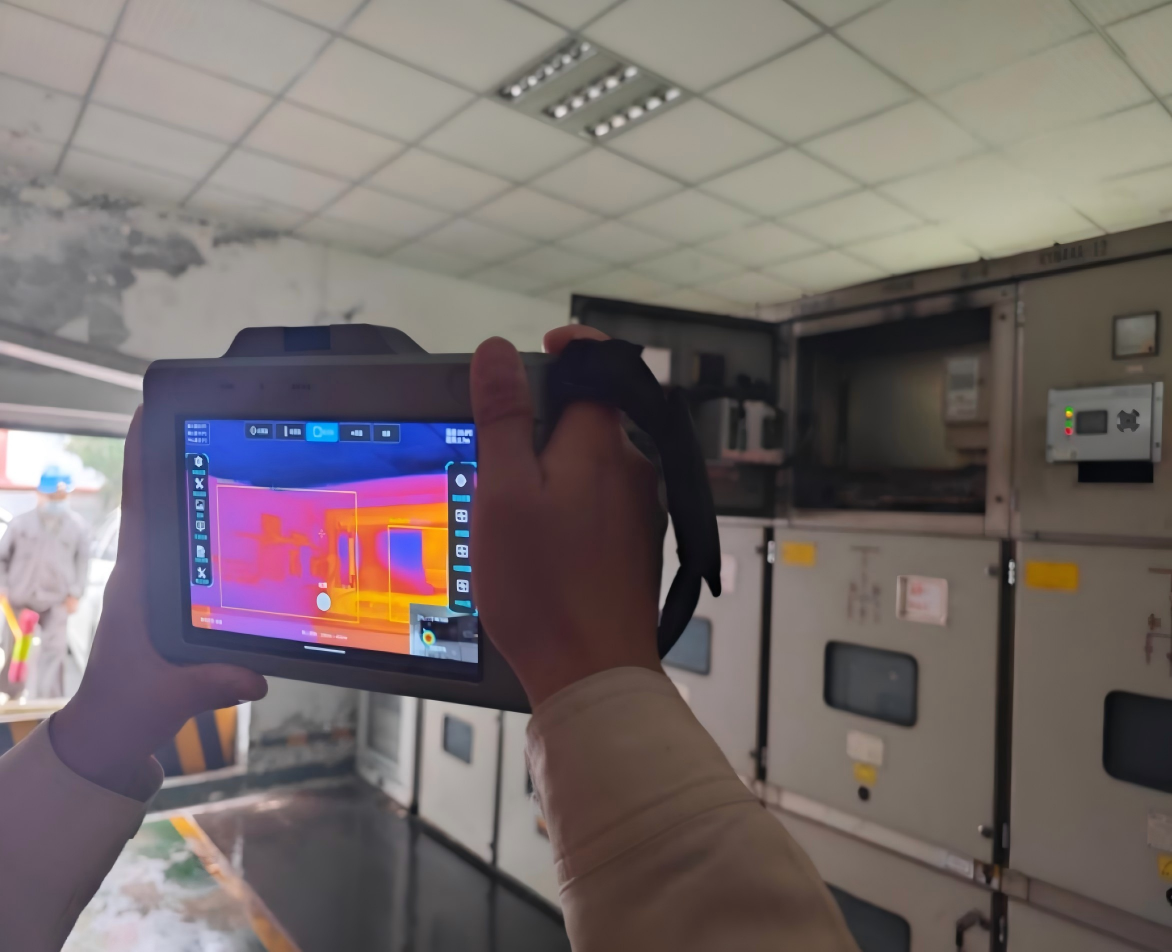
Replaces traditional separate devices (acoustic imager, IR camera, photo/video recorder) with one-click operation, significantly improving inspection efficiency
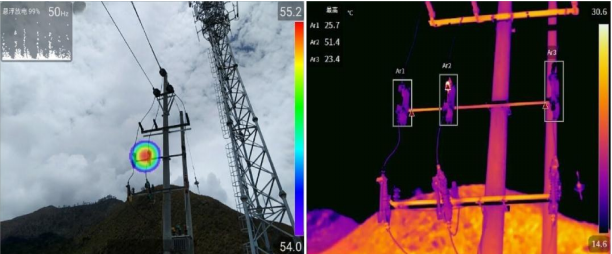
Combines acoustic localization, thermal distribution detection, and visible light for multi-modal fault diagnosis, enhancing accuracy and reliability
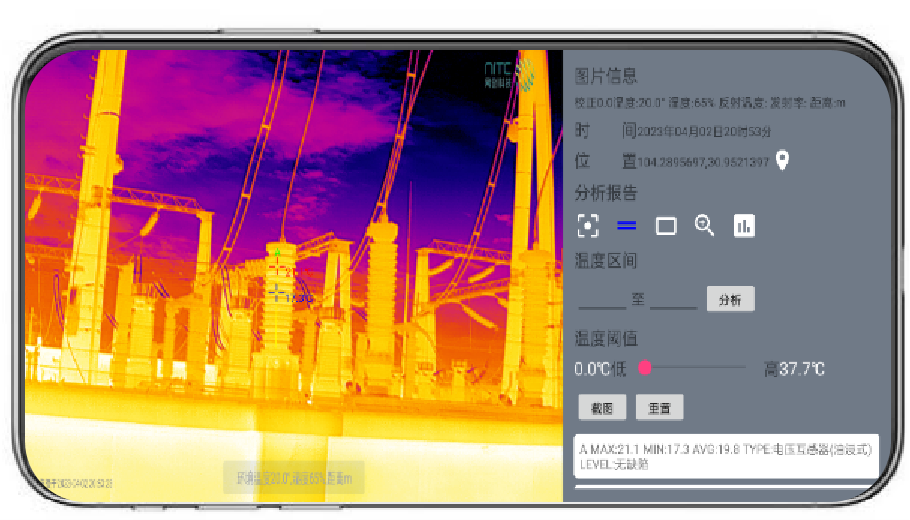
Auto-identifies equipment/parts via AI after imaging, rapidly locates anomalies, and generates defect reports with one click
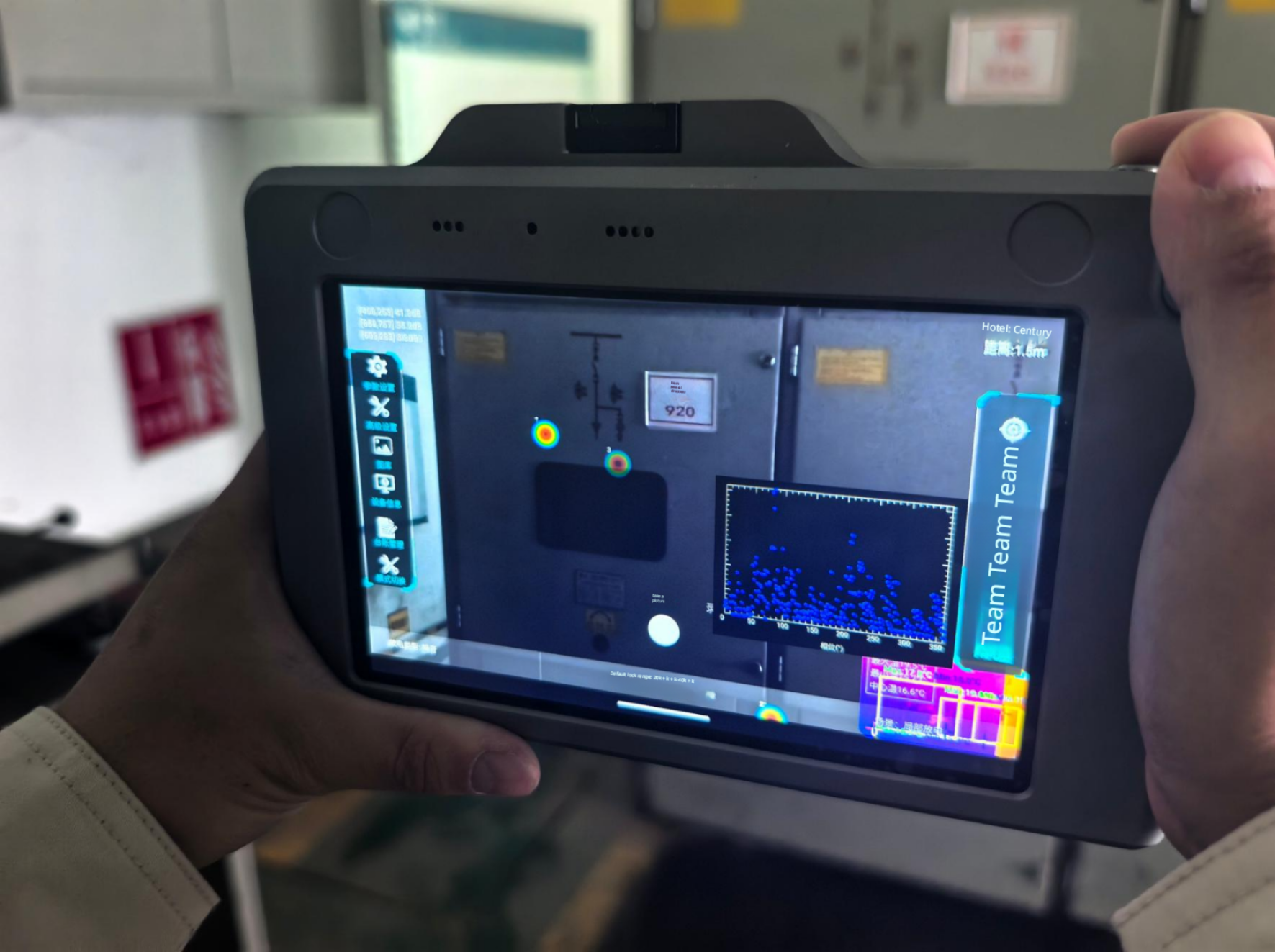
IR works in all lighting; acoustic imaging penetrates smoke/rain/fog. Effective day/night and in harsh weather conditions
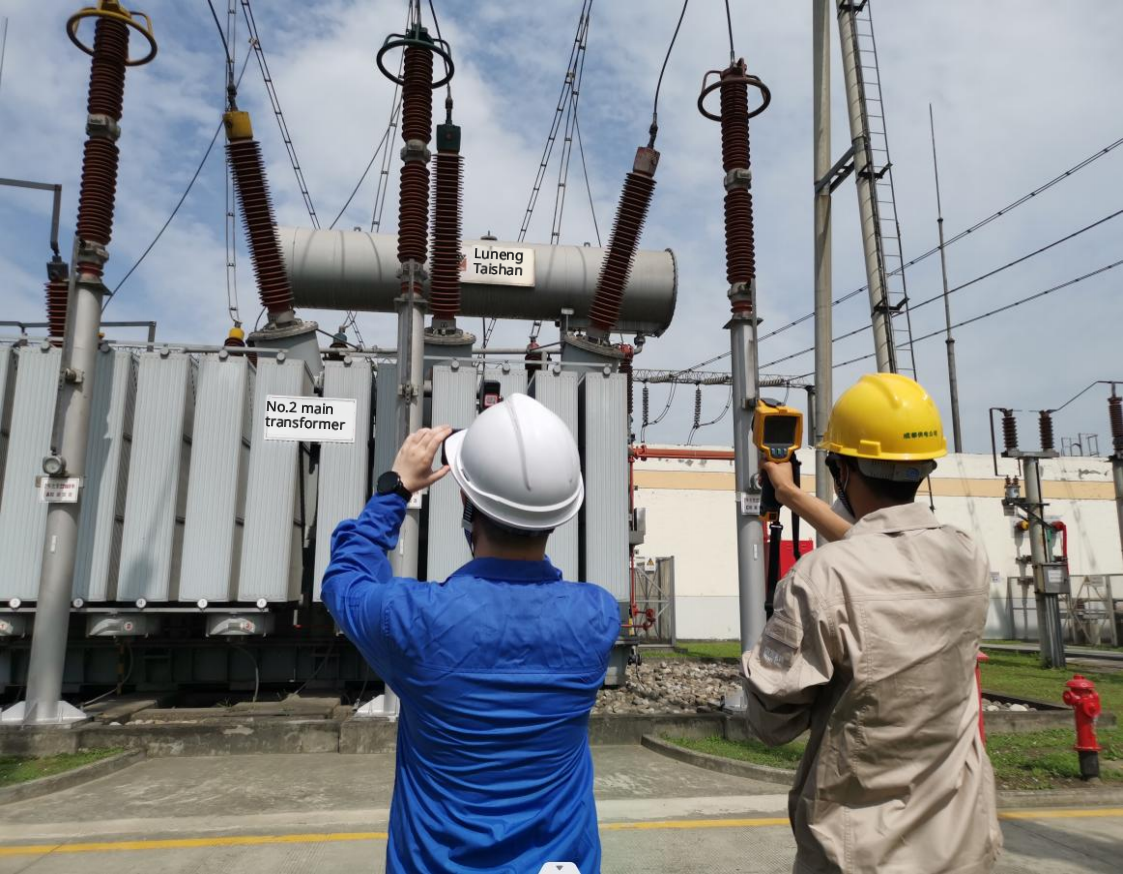
Partial Discharge & Overheating Monitoring: Detects partial discharge and thermal anomalies in substations and transmission equipment
Intelligent O&M: AI-powered defect classification and risk prioritization for critical issues
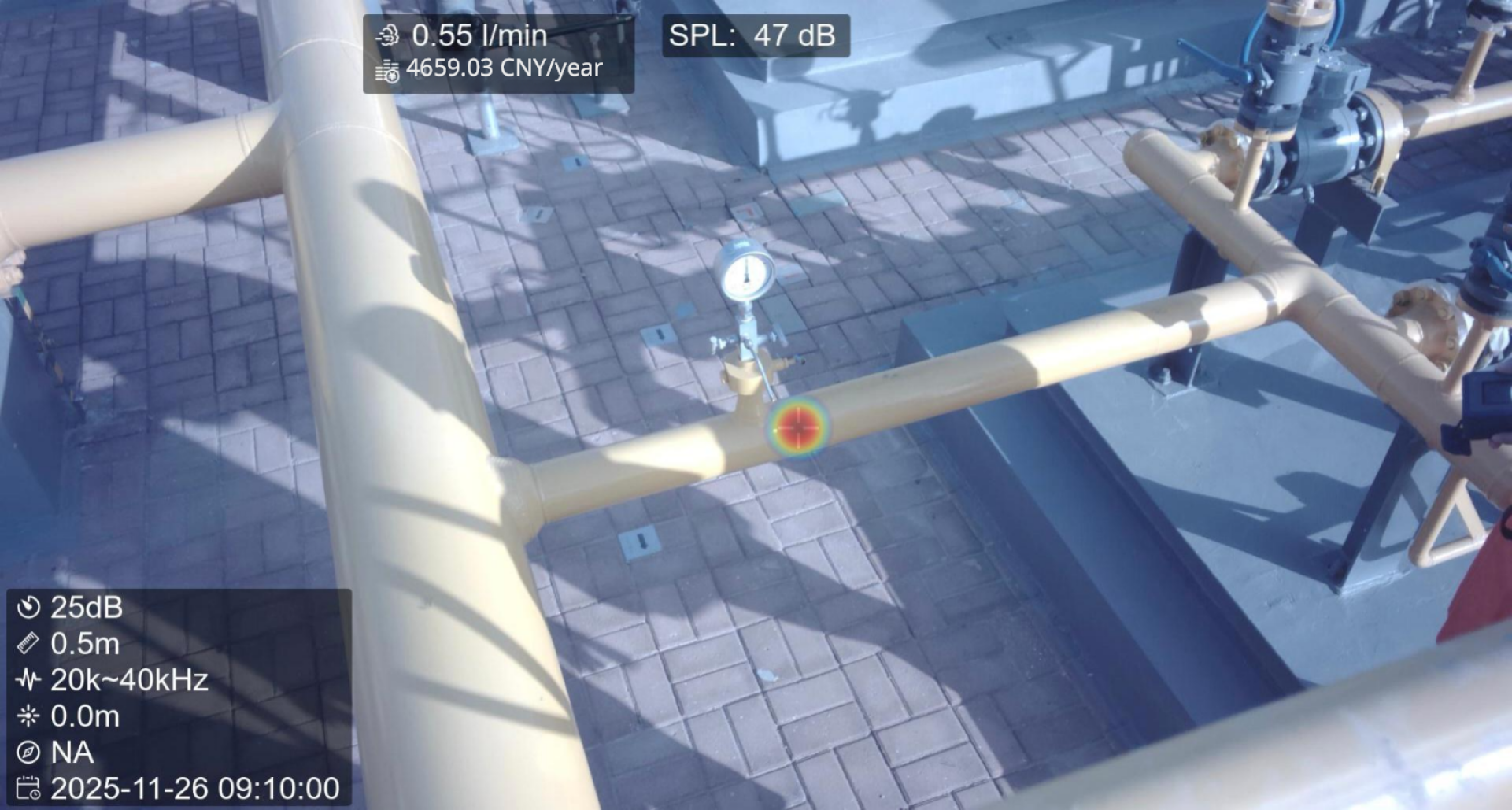
Gas Leakage Detection: Identifies VOCs such as methane and benzene through infrared thermal imaging, enabling non-contact remote scanning
Acoustic Verification: Captures gas escape acoustic waves through ultrasonic for dual verification to avoid misjudgment
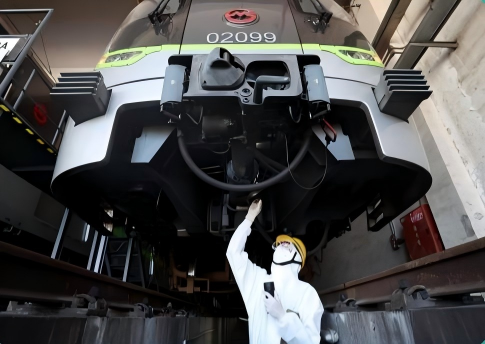
Mechanical Fault Diagnosis: Identifies abnormal noises from bearings combined with thermal imaging for early warning
Brake System Inspection: Acoustic detection of pneumatic leaks with thermoacoustic linkage for derailment risk warning
| Detection Aspect | Acoustic Imaging | Infrared Imaging | Thermoacoustic (TIDI) | Advantages |
|---|---|---|---|---|
| Detection Accuracy | Medium | Limited | Excellent | Dual verification to improve accuracy |
| Detection Speed | Limited | Fast | Excellent | Rapid imaging with balanced depth and efficiency |
| Anti-interference Capability | Medium | Limited | Excellent | High-temp/low-temp/EMI resistant |
| Defect Type Coverage | Medium | Medium | Excellent | Acoustic, infrared and fusion detection |
| User-friendliness | Medium | Medium | Excellent | No coupling agent required, AI-powered automatic analysis |
| Cost-Benefit | Medium | Medium | Excellent | Single device integrates multi-technology to reduce cost |
By integrating the acoustic source localization capability of acoustic imaging systems, temperature distribution detection function of infrared thermal imagers, and visible light photography/video recording capabilities, this approach enables intelligent multimodal defect diagnosis, enhancing inspection accuracy.
By combining photo capture with the DCNN deep convolutional neural network model, the system autonomously identifies equipment/part component types, enabling rapid anomaly detection while generating defect reports with a single click.
The system employs DSP-based multi-stage noise reduction technology to eliminate noise in infrared and acoustic signals in real time, thereby enhancing defect detection accuracy and improving signal-to-noise ratio.
Infrared technology is not limited by light conditions, while acoustic imaging can penetrate smoke and fog. The combination of these technologies with adaptive environmental compensation enables efficient detection during daytime, nighttime, and adverse weather conditions.
Contact us to learn more about the TIDI Portable Thermoacoustic Imaging Diagnostic Instrument's technical details and application cases
Contact Us DY
DY